


Organising a seminar is a good way to bring your colleagues together. It can help strengthen team spirit. You can also share knowledge or discuss new challenges for the company.
It can sometimes be difficult to absorb all the information in a single day, especially when the topics covered are dense and strategic. Taking the necessary time allows for better understanding and deeper reflection.
So why not take it a step further and choose a two‑day seminar rather than a simple one‑day meeting?
In this article, we will show you how to organise a successful seminar. We will give you a detailed schedule and practical advice.
Stack the odds in your favour and make this seminar a success.
The benefits of a two-day seminar
Still hesitating to organise a two‑day seminar? We have several convincing arguments to help you take the leap.
This format has many advantages, both in terms of productivity and the well‑being of participants.
A balance between content and breaks
A two‑day seminar offers the advantage of alternating working time and break moments.
Unlike a one‑day event, where information is condensed and sometimes difficult to absorb, two days give participants time to reflect and process the discussions, during rest periods.
A variety of formats for a more engaging seminar
With two days available, it becomes possible to vary the types of activities:
- Conferences and expert talks
- Collaborative workshops and brainstorming
- Round tables and debates
- Networking moments and informal exchanges
- Rest periods
This variety helps maintain participants’ attention and adapt to the different profiles present.
Better cohesion and richer exchanges
A two‑day seminar also encourages interactions between participants.
Breaks, meals and additional activities are valuable opportunities to build bonds and create real team spirit.
By adding a second day to the seminar, you allow more time for informal discussions. These exchanges often lead to ideas and successful collaborations.
A lasting impact
Finally, a well‑structured two‑day seminar leaves a stronger impression than a shorter event.
Participants can explore topics in depth. They can also get to know each other better. They will leave with concrete takeaways to apply within the company.
First day: putting exchanges at the heart of the seminar
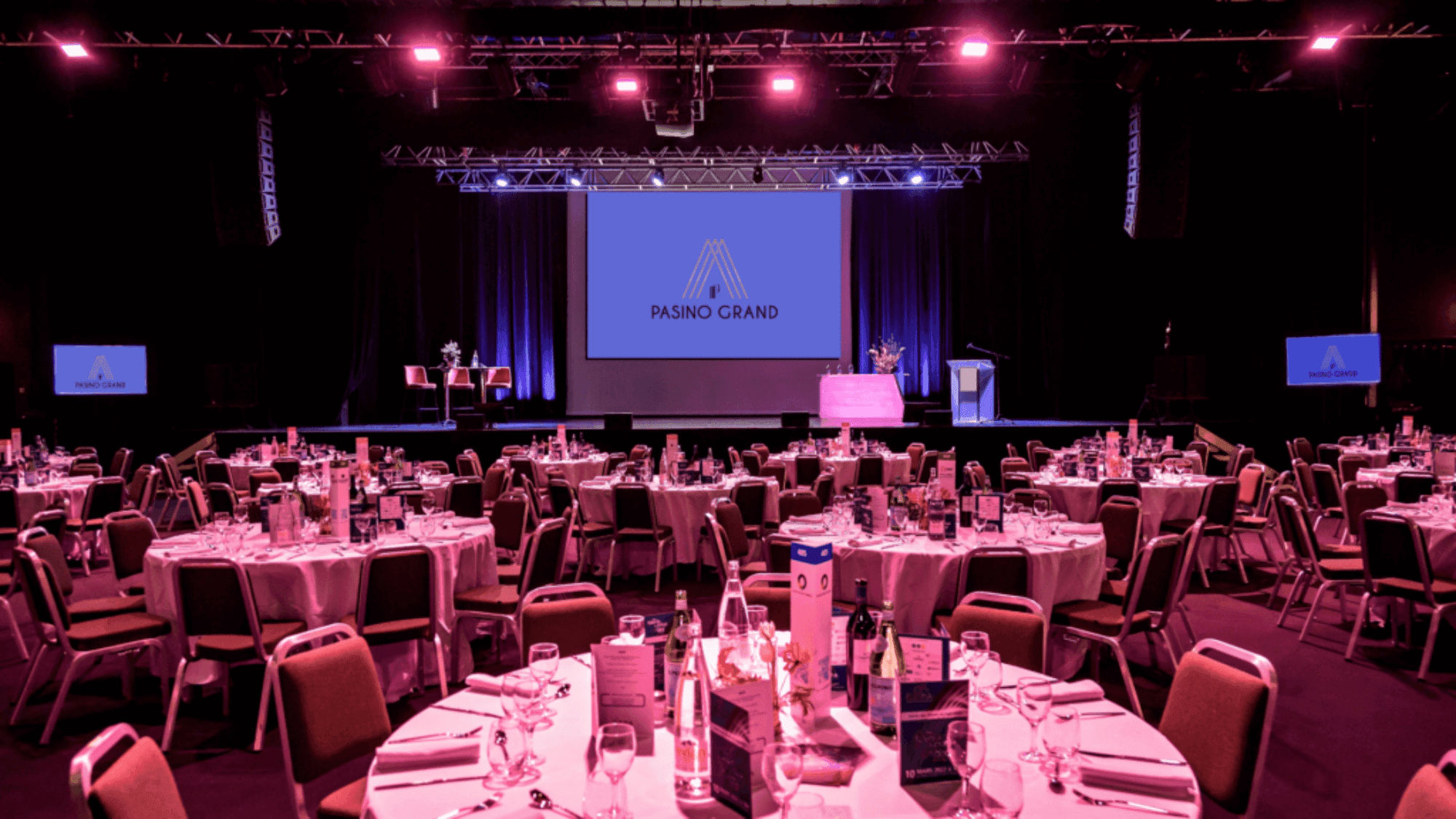
The first day is crucial and sets the tone of your seminar.
The objective is to create an environment that encourages communication, collaboration and participant engagement.
Discussion times play an essential role in the success of a seminar. They help break the ice and strengthen links between participants. They also allow the sharing of different ideas, bringing new suggestions and fostering group reflection.
To capture attention and encourage exchanges, use varied and dynamic formats. Think of collaborative workshops, round tables and brainstorming sessions. By diversifying your approaches, you keep the group’s energy high. This also helps engage your colleagues over the long term.
To help you structure this first day and ensure its success, here is a sample detailed schedule. This programme is designed to maximise moments of exchange and reflection.
Morning: Kick‑off and first work sessions
08h30 – 09h30 : Participant welcome and breakfast
09h30 – 10h30 : Introduction and presentation of the seminar's objectives
10h30 – 11h30 : First exchange session (conference, round table or workshop)
11h30 – 12h00 : Cofee break and networking
Afternoon: Collaborative workshops and deeper work
12h00 – 13h30 : Friendly lunch and informal exchanges
13h30 – 15h00 : Second exchange session
15h00 – 15h30 : Relaxing break
15h30 – 17h00 : Wrap-up of the exchange sessions
Evening: Informal moments and networking
19h00 – 21h00 : Dinner and informal exchanges
21h00 – 23h00 : Friendly activity (networking evening, fun activity, etc.)
By creating an open and collaborative atmosphere from the start, you maximise the long‑term impact of the seminar.
Second day: Time to unwind
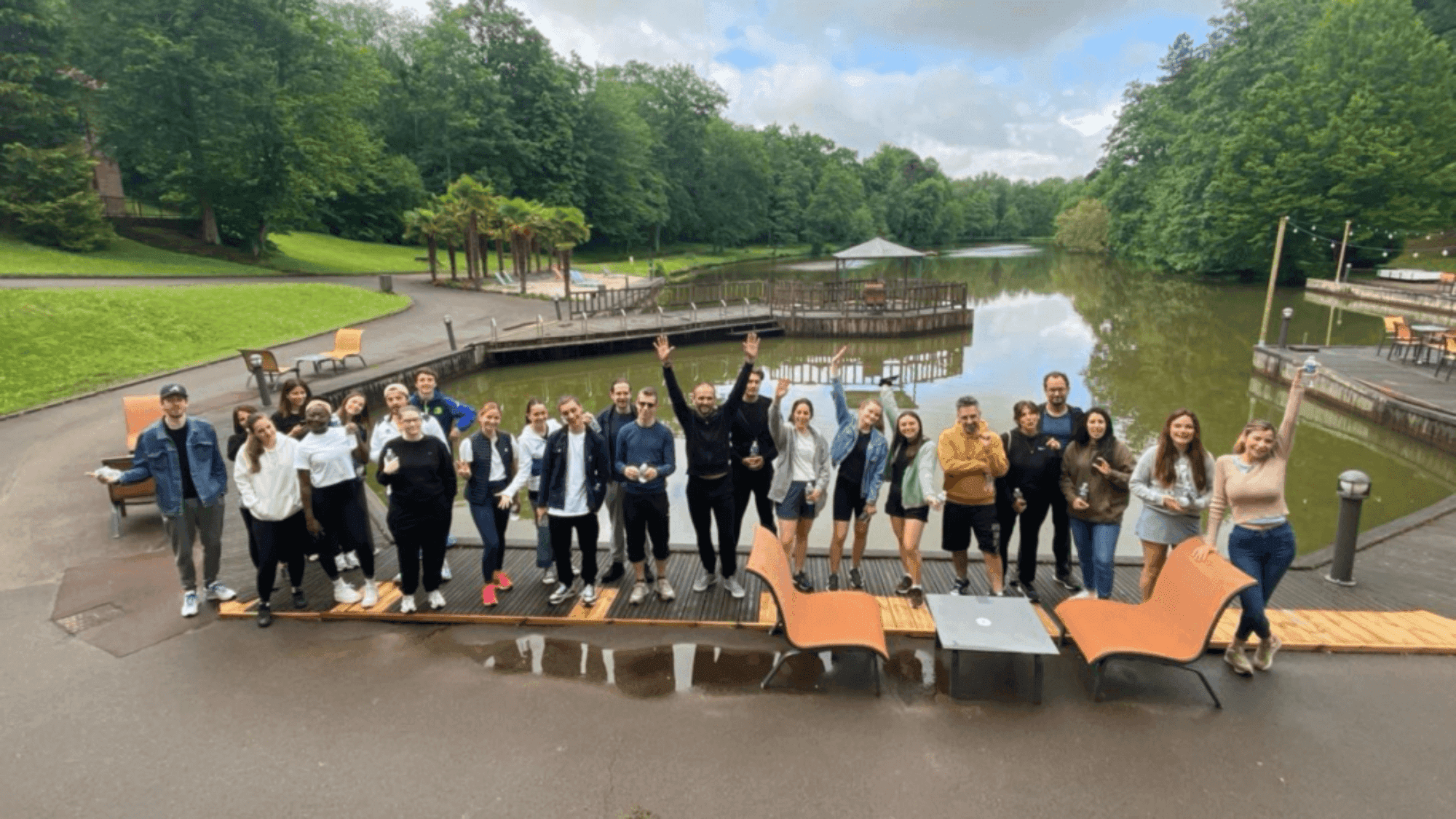
The second day of a seminar should be lighter. This allows participants to relax and reinforce what they learned the previous day. The focus is therefore on informal exchanges, reflection and shared experience.
The morning should focus on a retrospective of the previous day’s discussions, while encouraging collective reflection. The key is to give participants the opportunity to ask questions. They can clarify unclear points. This helps them connect theory with practice.
These exchange moments will allow everyone to leave with a better understanding of the topics discussed.
The afternoon is even more dedicated to relaxation. There will be moments to rest and strengthen group cohesion.
To give you a clearer idea of what this second day could look like:
Morning: Summary and open discussions
08h30 – 09h30 : Breakfast
09h30 – 11h00 : Review of the previous day’s discussions and Q&A session
11h00 – 11h30 : Coffee break and informal exchanges
11h30 – 12h30 : Inspirational talk or experience sharing
Afternoon: Closing and relaxation
12h30 – 14h00 : Light lunch and seminar wrap‑up
14h00 – 15h30 : Relaxing activity or local discovery (visit, team‑building, well‑being activity)
15h30 – 16h00 : Clôture officielle et remerciements
Choose the ideal venue for your seminar
Choosing the right venue is a key factor in ensuring the success of your seminar. A suitable setting plays an essential role in creating the right atmosphere and in the effectiveness of exchanges.
By choosing a unique venue, you allow participants to step out of their routine. They leave the office and relax. This helps create more creative and productive exchanges.
A venue with on‑site accommodation
A two‑day seminar means participants will stay on site.
Choose a venue that offers comfortable rooms and a pleasant setting to encourage rest and conviviality.
Spaces adapted to different formats
The venue should offer several types of spaces:
- Conference rooms for presentations and talks
- Smaller rooms for workshops in small groups
- Relaxation areas for breaks and informal moments
A setting that encourages both focus and relaxation
An effective seminar also means an environment that supports productivity while allowing people to recharge. A venue in nature, by the water or in an inspiring setting can make all the difference.
Additional services for a successful seminar
Finally, choose a venue that offers suitable services:
- Quality catering
- High‑performance audiovisual equipment
- Easy transport access
A good venue will make your seminar smoother and more enjoyable for all participants.
Entrust your seminar to Partouche Meetings & Events
A two‑day seminar is an ideal opportunity to strengthen team cohesion, encourage exchanges and explore strategic topics. With good organisation, a balance between work and relaxation, and a suitable venue, you maximise the impact of this event. You can also read about how to run a successful company seminar to complement your approach.
At Partouche Meetings & Events, we have unique venues all over France. They meet all your needs, from comfort to functionality.
Our modular spaces are designed to facilitate collaborative workshops, conferences and relaxation moments. By choosing our establishments, you benefit from an inspiring setting and tailor‑made service.


